If you’ve lived in Fort Collins for any length of time, you’ve probably heard about Montava — the nearly 1,000-acre development planned for the northeast part of the city near Anheuser-Busch. It’s been in discussion for years now, dating all the way back before 2018 even, but in 2018 when its original plans were submitted and approved by City Council. Since then, it’s been a long road — filled with lawsuits, infrastructure challenges, and plenty of public debate — but as of late 2025, there’s real light at the end of the tunnel.
City Council recently voted to approve an amendment allowing the Montava Metropolitan Districts to increase their debt capacity. It might sound like a small technicality, but it’s actually a major turning point that gives the developers the financial flexibility to move this long-awaited project forward in a meaningful way.
So, what exactly is Montava, why has it taken so long, and what can residents expect when it’s finally built out? Let’s break it down.
A Vision Born from the “New Urbanist” Movement
Montava isn’t your typical suburban development. Its Colorado-based developer, HF2M, has long described the project as “a community designed by Fort Collins for Fort Collins.” President Max Moss has emphasized from day one that Montava’s goal isn’t just to build houses — it’s to build community.
The inspiration comes from the New Urbanist philosophy — a planning approach that focuses on walkability, mixed-use spaces, and strong local connections. Think front porches instead of front-facing garages, corner coffee shops and farmers markets you can walk to, and a design that encourages biking instead of long commutes.
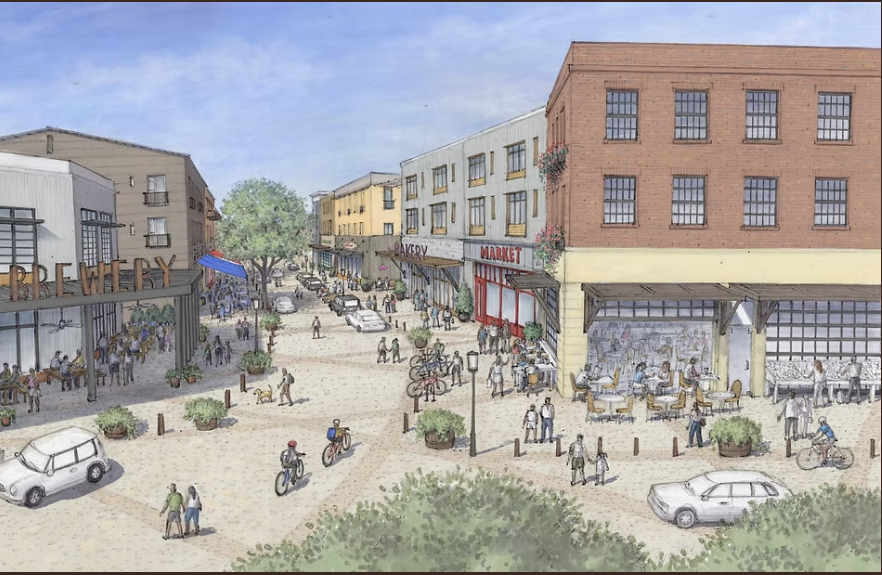
Montava is planned around what’s often called the “15-minute city” concept — where daily needs like schools, shops, and parks are all within a 15-minute walk or bike ride. This idea directly addresses the lack of walkable amenities currently in northeast Fort Collins, where most residents score a dismal 10 or below on national walkability indexes.
When it’s complete, Montava will include:
- Around 4,000 homes across a range of price points, including 600 affordable or attainable units.
- A town center with local shops, restaurants, and essential services.
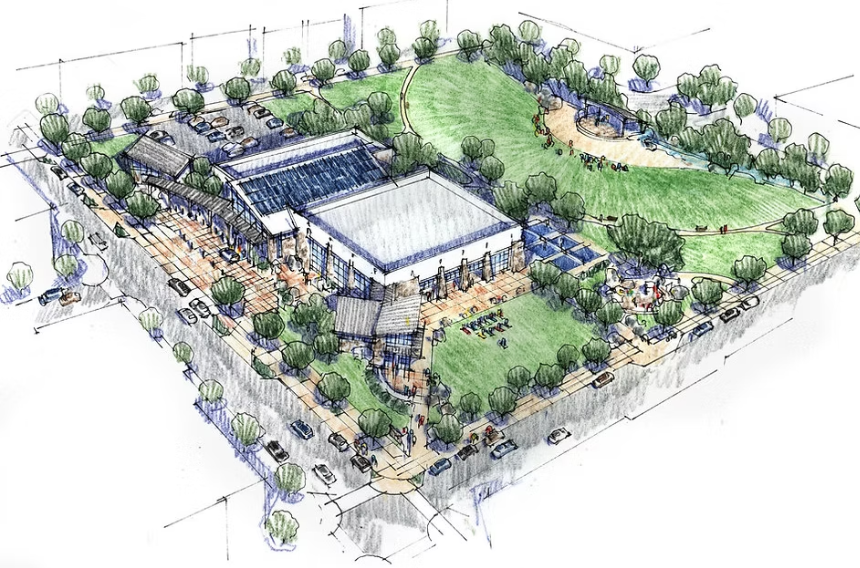
- Over 400 acres dedicated to parks, trails, schools, and a working urban farm — developed in partnership with Native Hill and Poudre Valley Community Farms.
Why It’s Been Stuck in Neutral for So Long
Montava was first approved by City Council in 2018, but since then, it’s been slowed by a perfect storm of challenges — some expected, some not.
Infrastructure has been one of the biggest hurdles. The northeast part of Fort Collins isn’t yet equipped with the same water, sewer, and transportation networks that other areas have. Before homes can go up, roads, utilities, and drainage systems need to be in place — all of which take significant capital and coordination with multiple city and county entities.
Then came legal disputes. In 2024, Montava’s development arm filed a lawsuit against an Eaton-based company that owns an irrigation ditch running through part of the planned site. Montava argued that the company was illegally blocking access needed for the project’s progress. While a judge allowed the case to move forward, it added yet another layer of complexity and delay.
On top of that, the land acquisition itself has been a multi-year process. Most of the property — about 844 acres — is owned by the Anheuser-Busch Foundation, with an additional 108 acres owned by Poudre School District. Earlier this year, City Council voted to extend the deadline for HF2M to finalize that purchase, giving them more time to get the deal done.
Despite these challenges, developer Max Moss remains optimistic, telling Council earlier this year that Montava is “hopefully close to a resolution” on several outstanding issues and is prepared to move forward as soon as financing and approvals align.
A Step Toward the Finish Line
The recent City Council vote to approve the First Amendment to the Consolidated Service Plan for the seven Montava Metropolitan Districts marks a major milestone.
This amendment allows the districts — essentially the financing mechanisms behind the project — to take on additional debt and create Special Improvement Districts. In practical terms, that means the developers can raise the capital needed for infrastructure, utilities, and amenities.
Importantly, City Council emphasized that this financial change doesn’t alter Montava’s underlying public benefits. The community’s commitments to open space, sustainability, affordability, and mixed-use design all remain intact.
This move could finally pave the way for vertical construction to begin in the next couple of years — something many Fort Collins residents have been waiting to see for nearly a decade.
What Montava Means for the Future of Fort Collins
With Fort Collins projected to grow from about 180,000 residents today to well over 240,000 by 2040, much of that growth will happen in the northeast quadrant of the city. Montava is expected to anchor that expansion — shaping not just housing availability but also the entire character of that side of town.
Here’s why Montava matters:
- Housing Diversity: From apartments to townhomes to single-family homes, Montava will introduce options for every income level, helping alleviate one of Fort Collins’ biggest challenges — affordability.
- Community Connection: With parks, schools, and trails built into the plan, it aims to create a true neighborhood feel, not just another subdivision.
- Sustainability: All homes are expected to meet Zero Energy Ready Home (ZERH) standards, which align with the city’s Climate Action Plan and reduce long-term utility costs.
- Walkability and Transportation: Thoughtfully designed trails and bike paths will connect residents to both downtown Fort Collins and nearby natural areas.
- Economic Impact: Beyond the thousands of construction jobs it will create, Montava’s town center is expected to become a hub for small businesses and local services, reducing traffic congestion and keeping spending local.
The Bigger Picture
For years, Fort Collins has struggled with how to manage growth while maintaining its identity — balancing affordability, sustainability, and quality of life. Montava represents one of the city’s boldest attempts to tackle all three at once.
If all goes as planned, the next few years could mark the beginning of a new chapter for northeast Fort Collins — one that’s been a long time coming.